
Introduction
A Nuclear Agreement 123 is a legal agreement between the United States and another country for using nuclear energy only for peaceful purposes like electricity generation. It is called “123 Agreement” because it comes from Section 123 of the Atomic Energy Act of 1954. This agreement creates rules and trust between the U.S. and its partner country for long-term cooperation in nuclear energy. It makes sure that nuclear materials and technology are not used for making weapons. According to U.S. law, such an agreement must be signed before the U.S. can supply nuclear fuel, reactors, or important equipment to another country.
Background of Nuclear Agreement 123
- In year of 1978: U.S. imposed sanctions on India after India’s 1974 nuclear test. I was India’s first nuclear test codenamed “Operation Smiling Buddha” was conducted on 18 May 1974 at Pokhran Test Range in Rajathan.
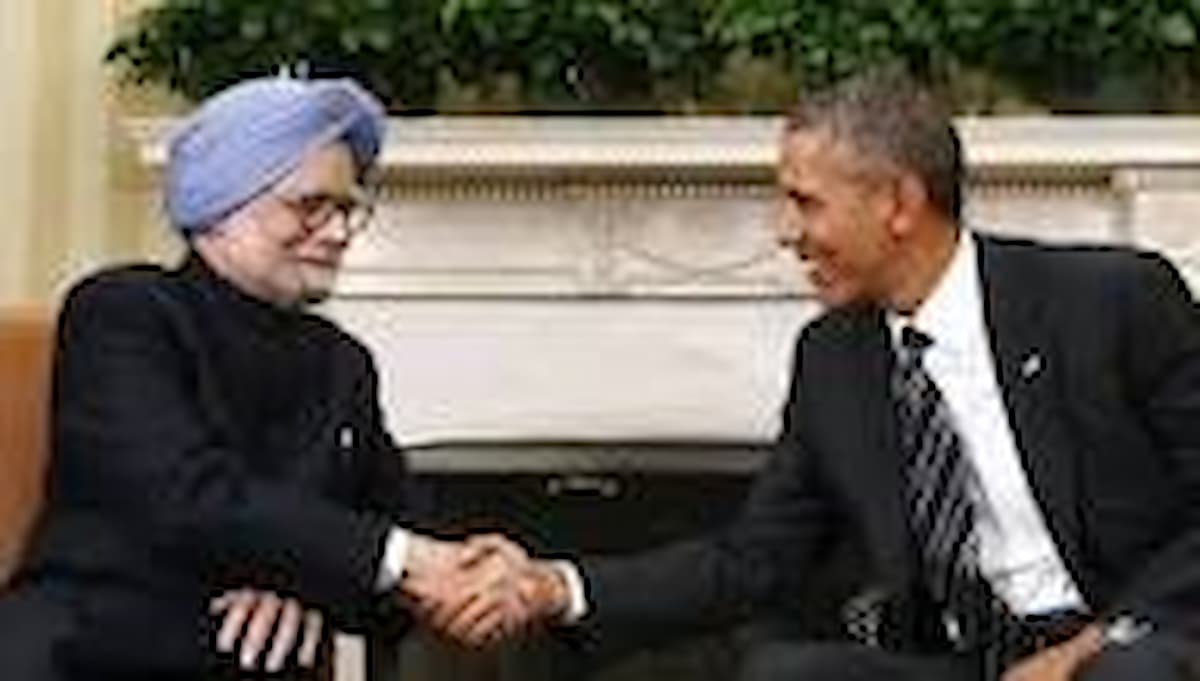
- On 18 July 2005 U.S. President George W. Bush and Indian Prime Minister Manmohan Singh announced a Landmark Civil Cooperation Initiative. In Short:- They agreed on civilian nuclear cooperation in 2005
- This Agreement is formalized in 2008 and India Granted the status of India de facto nuclear state. Which Means:- U.S.-India Civil Nuclear Agreement, or “123 Agreement” (under Section 123 of the U.S. Atomic Energy Act), was finalized
Overview of India-U.S. Nuclear Agreement
- International Atomic Energy Agency Safeguards: India agreed to keep its civilian (non-military) nuclear reactors under the supervision of the IAEA permanently.India also signed an Additional Protocol, which allows stricter and more detailed inspections of its civilian nuclear facilities.
- Nuclear Testing & Security: India promised to voluntarily stop nuclear weapon testing (moratorium). It also improved the safety and security of its nuclear weapons
- U.S. Collaboration:– The United States allowed its companies to build nuclear reactors in India and supply nuclear fuel for peaceful energy use like electricity.
- NSG Waiver: Even though India has not signed the Non-Proliferation Treaty, the Nuclear Suppliers Group removed its restrictions.
This allowed other countries to sell nuclear fuel and technology to India. about NSG: The NSG was formed in 1974 after India’s Pokhran nuclear test. Its main role is to control and regulate global nuclear trade. - About NPT: The NPT started in 1970 under the United Nations. Its goals are:
- To stop the spread of nuclear weapons
- To promote nuclear disarmament
- To allow peaceful use of nuclear energy
Main Features of the Nuclear Agreement 123
1. Peaceful Use of Nuclear Energy
- The agreement allows nuclear cooperation only for peaceful purposes.
- This includes activities like electricity generation, medical use, and scientific research.
- It clearly prohibits the use of nuclear technology for making weapons.
2. Separation of Nuclear Facilities
- India agreed to divide its nuclear facilities into two parts:
- Civilian (for peaceful use)
- Military (for defense purposes)
- Civilian facilities are open to international monitoring, while military facilities remain secret.
3. IAEA Safeguards
- All civilian nuclear facilities are monitored by the International Atomic Energy Agency.
- The IAEA conducts inspections to ensure that nuclear materials are not misused.
- India also accepted stricter inspection rules through an Additional Protocol.
4. Fuel Supply Assurance
- The United States and other countries agreed to supply nuclear fuel to India.
- This ensures that India’s nuclear reactors can run smoothly without shortages.
- It helps in long-term energy planning and stability.
5. Right to Reprocess Nuclear Fuel
- India is allowed to reprocess (reuse) spent nuclear fuel.
- Reprocessing helps in extracting useful materials and reduces nuclear waste.
- However, this can only be done under strict international safeguards and conditions.
6. No Interference in Strategic Program
- India’s military (defense-related) nuclear program remains completely independent.
- The agreement does not affect India’s ability to maintain its nuclear weapons program.
- There is no external control over India’s strategic decisions.
Importance / Significance
1. Energy Security:- Energy security means having a steady and reliable supply of energy.
- India needs a lot of energy for development, industries, and daily use.
- Through this agreement, India can produce more electricity using nuclear energy, which is clean and efficient.
- Nuclear energy reduces dependence on coal and oil, which cause pollution.
2. End of Nuclear Isolation:- For many years, India was restricted from global nuclear trade.
- After its nuclear tests, many countries did not allow India to access nuclear technology.
- With the help of the Nuclear Suppliers Group waiver, India can now buy nuclear fuel and technology from other countries.
- This ended India’s isolation in the nuclear field.
3. Strategic Partnership:- The agreement improved India’s relationship with the United States.
- It increased trust and cooperation between the two countries.
- It opened doors for collaboration not only in nuclear energy but also in defense, trade, and technology.
4. Global Recognition:- India was accepted as a responsible nuclear power.
- Even though India has not signed the Non-Proliferation Treaty, the world recognized its responsible behavior.
- India agreed to follow safety rules and allow inspections by the International Atomic Energy Agency.
- This improved India’s image globally.
Criticisms of Nuclear Agreement 123:
1. Effect on India’s Sovereignty
Sovereignty means the power of a country to take its own decisions without outside pressure.
- Critics argued that agreements linked to the United States and international bodies could limit India’s freedom in nuclear policy.
- Since India placed many of its nuclear facilities under the International Atomic Energy Agency, it has to follow international rules and inspections.
- Some people felt that India might not be able to freely decide how to use its nuclear resources in the future.
2. Dependence on Foreign Fuel Supply
India’s nuclear energy program requires a steady supply of uranium fuel.
- Under the agreement, India can import nuclear fuel from other countries approved by the Nuclear Suppliers Group.
- Critics worried that India might become dependent on foreign countries for fuel.
- If political relations worsen, these countries could stop supplying fuel, which would affect India’s energy production.
3. Restrictions on Future Nuclear Tests
India has not signed the Non-Proliferation Treaty and wants to keep its right to test nuclear weapons if needed.
- Under the agreement, India agreed to a voluntary ban (moratorium) on nuclear testing.
- Critics feared that if India conducts a nuclear test in the future, it could face:
- Cancellation of agreements
- Stopping of nuclear fuel supply
- International sanctions
- This could indirectly pressure India not to test nuclear weapons again.
Conclusion
The 123 Agreement (2008) is a landmark deal that ended India’s nuclear isolation and boosted its energy and strategic position globally. It marked a new phase in India–U.S. relations while ensuring peaceful use of nuclear energy.