Introduction
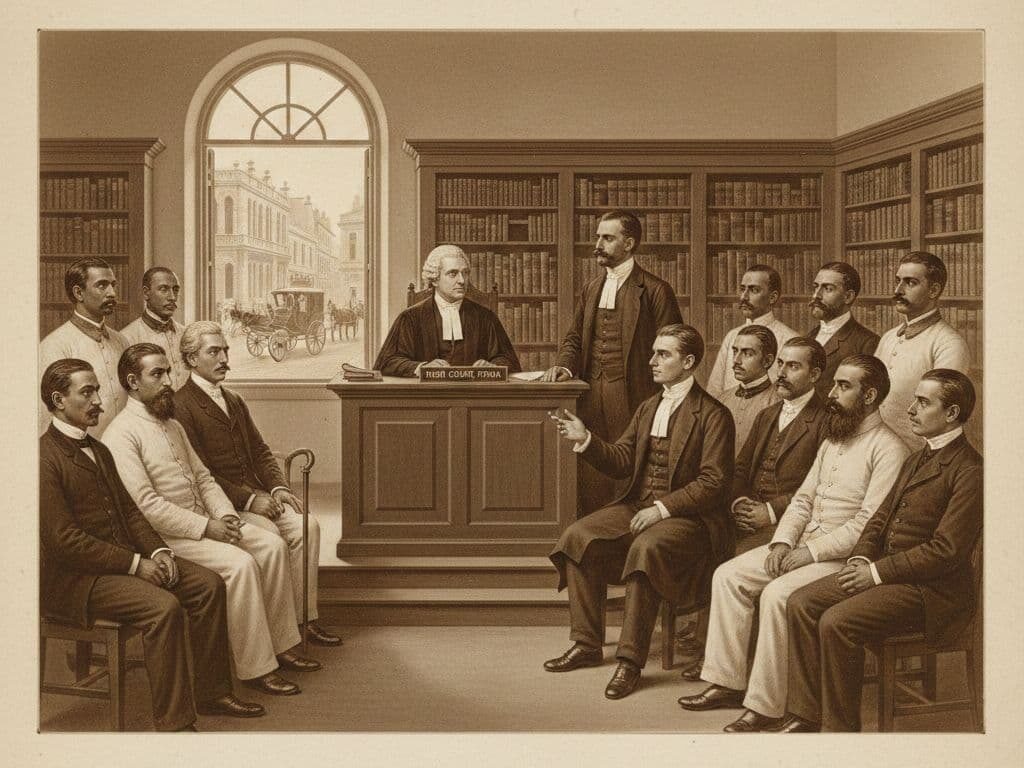
This case also occupies an important place in the Indian Legal History because it exposed the defects of the existing system of Judicial administration. The main issue involved in the case included the jurisdiction of the supreme court over company’s Judicial officers. We also known that from this case is legality of the constitution of the Provincial council Adalat (Diwani Adalat). The case also brought to light the growing conflict between the supreme courts and the supreme council. This case had made as the lesson learned that had become the basis of the further or reorientation in the operation or management of justice that will take in future.
Characters of the case:
- Nadirah Begum wife of Shahbaz Beg Khan
- Bahadur Beg Nephew of Shahbaz Beg Khan
- Two Muftis
- Kazi
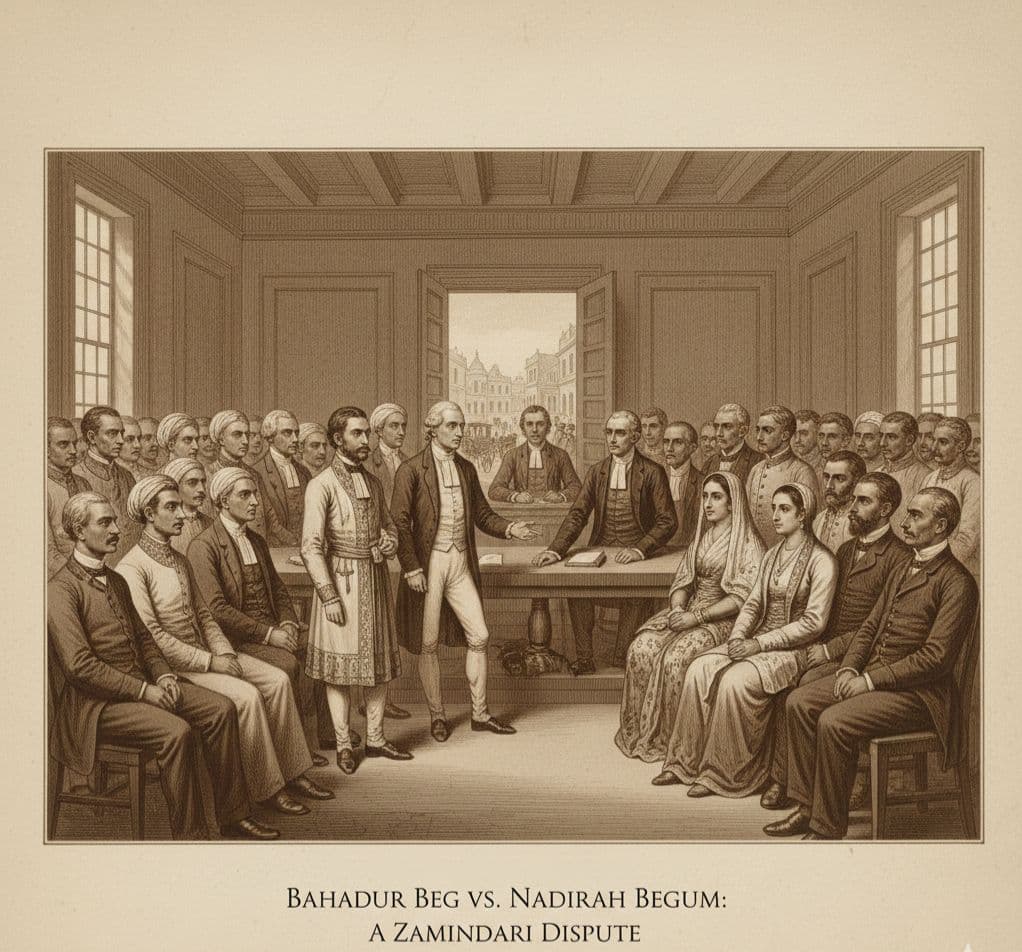
Case: Nadirah Begum VS Bahadur Beg
Summary or fact of the Case are:
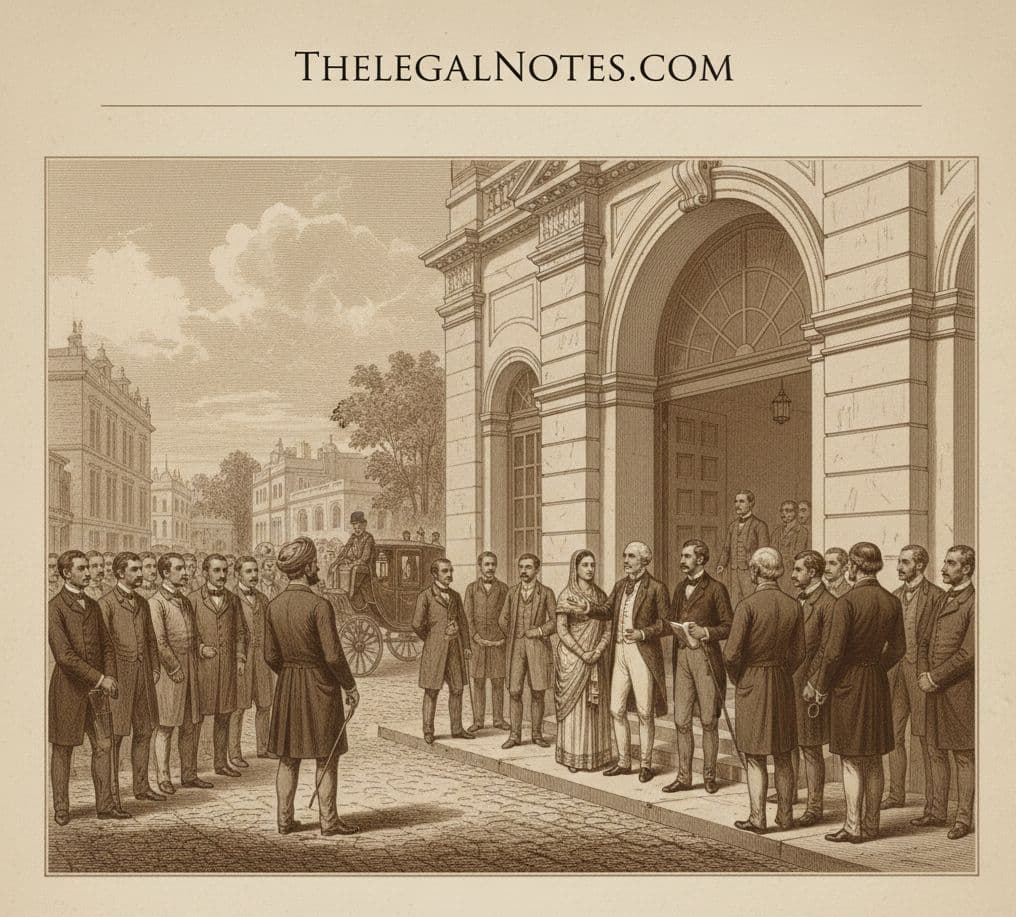
- Shahbaz Beg Khan, who was the originally a native of Kabul. He immigrated to India and worked for the East India Company until the retirement, After the Retirement he settled down with his wife Nadirah Begum in Patna.
- After sometime he invited his Nephew Bahadur Beg, since he had no child of his own Shahbaz Beg expressed the desire to adopt Bahadur Beg. However, before he could officially do that he passed away in 1776.
- Then, gradually there was a property dispute that ensured between Bahadur Beg(Nephew) and Mrs. Nadirah Begum (wife) of Shahbaz Beg Khan.
- Shahbaz Beg left Considerable property behind him which led to struggle for property between his widow and the Nephew. Each of them claimed the entire property of the deceased,
BAHADUR BEG
VS
NADIRAH BEGUM
It is a property case = Civil case = courts present at that time are:- 1. Sardar Diwani Adalat, 2. Provincial Council, 3. Mofussil Adalat
After this, Bahadur Beg (the nephew) filled a petition in the Provincial Council. Provincial Council (court in Patna Division)
Argument Between Bahadur Beg And Naderah Begum in Provincial Council
- Bahadur Beg: Sir, I am the adopted son of Shahbaz Beg Khan as per traditions I am the rightful owner of the entire property.
- Naderah Begum: Sir, that is absolutely false, Yes my husband has intended to adopt Bahadur legally but before it could be executed he passed away so as per the current status he is not the adopted son of Shahbaz Beg khan. Moreover, the entire property would be mine either way because my husband has given it to me under Hibanama (gift).
- The widow Nadirah Begum claim property on basis of three document namely,
- Dower-Deed (Meharnama)
- Gift Deed (Hibanama)
- Acknowledgment (Ikrarnama)
- Then, Provincial council instead of deciding the case itself, passed the case to the Mohammedan Law Officers i.e Kazi and Muftis
Provincial Court Notice
Hearing both the side of the argument we have come to the conclusion that one Kazi and two Muftis would be appointed to take note of the inventory of Mr. Shahbaz Beg Khan and after that based on their report the final allotment of share in property would be made. Bears mind that his distribution will be in accordance with the Mohammedan Laws and Traditions.
During the Investigation they Ill-Treated Nadirah Begum as a result of which she left the house and took shelter in a “Durgah”
They also found all three deeds are void: Statement of Kazi and Muftis or Judgement of Provincial Council.
- As per the order of the council, the kazi and muftis conducted in investigation and were able to come up with a final report which was submitted to the council.
- The recommendation by Kazi and Mufti was that the Widow’s Agent (council has failed to produce the dower-deed, and also as regards the other two document , namely, the gift-deed and acknowledgment-deed, the law-officers suggested that they were also invaild.
- Therefore, the property of the deceased should be divided into four share, out of which three should be given to Bahadur Beg as representative of his father in India and fourth share should be given to Nadirah Begum in accordance with the Mohammedan Law of succession
Note: After the decision of the provincial council aggrieved Nadirah Begum preferred an appeal to the Sadar Diwani Adalat at Calcutta.
Appeal to Sadar Diwani Adalat by Nadirah Begum for challenging the decision of Provincial Council
Sadar Diwani Adalat at calcutta which comprised governor general and council but the appeal remained pending for a long time without any action. After no response Sadar Diwani Adalat she filled case in the Supreme Court.
Appeal in Supreme Court : Supreme Court of Judicature at Fort William in Calcutta.
Finally, Nadirah filled a case against Bahadur Beg, the kazi and Muftis for assault, battery, false imprisonment and entering forcibly in her house in the name of investigation seeking damages worth of Rupees 6 Lakh. The supreme court issued a writ of capias which meant a warrant of arrrest of the defendants liable to be released on furnishing bail. Consequently, the defendant, Bahadur Beg, the Kazi and Mufti were arrested and brought form Patna to Calcutta and lodged in jail having failed to furnish the bail. However, after sometimes bail was offered for Kazi and Muftis and they were released on bail
The case was tried by the supreme court for Ten Days. After that, Delivering of Judgement the chief Justice declared that the will deed of gifts were forgeries, unproved. And the documents on which the widow based her claim were not forgeries and the Kazi and Muftis were not acting in good faith.
The court awarded the damages Rs 300,000 for Plantiff and Rs 9,208 as costs. As the defendants were not able to pay damages and cost, they were ordered to be imprisoned. The defendants were dispatch to calcutta under a guard of sepoys. The unfortunate old Kazi died on the way and the ither three persons remained in prison at calcutta.
Until 1781 when an Act of British Parliament directed that they should be discharged Time line of this case (1777 to 1780).
Conclusion
The case of Bahadur Beg v. Nadirah Begum is significant in Muslim personal law because it clarified that talaq must be genuine, proved, and not exercised arbitrarily. The judgment aimed to balance the husband’s right of divorce with fairness and justice.